Soft Spelt Japanese Milk Bread Buns with Tangzhong

Servings: 12 Total Time: 2 hrs 57 mins Difficulty: Medium
Tangzhong keeps the spelt crumb soft for days
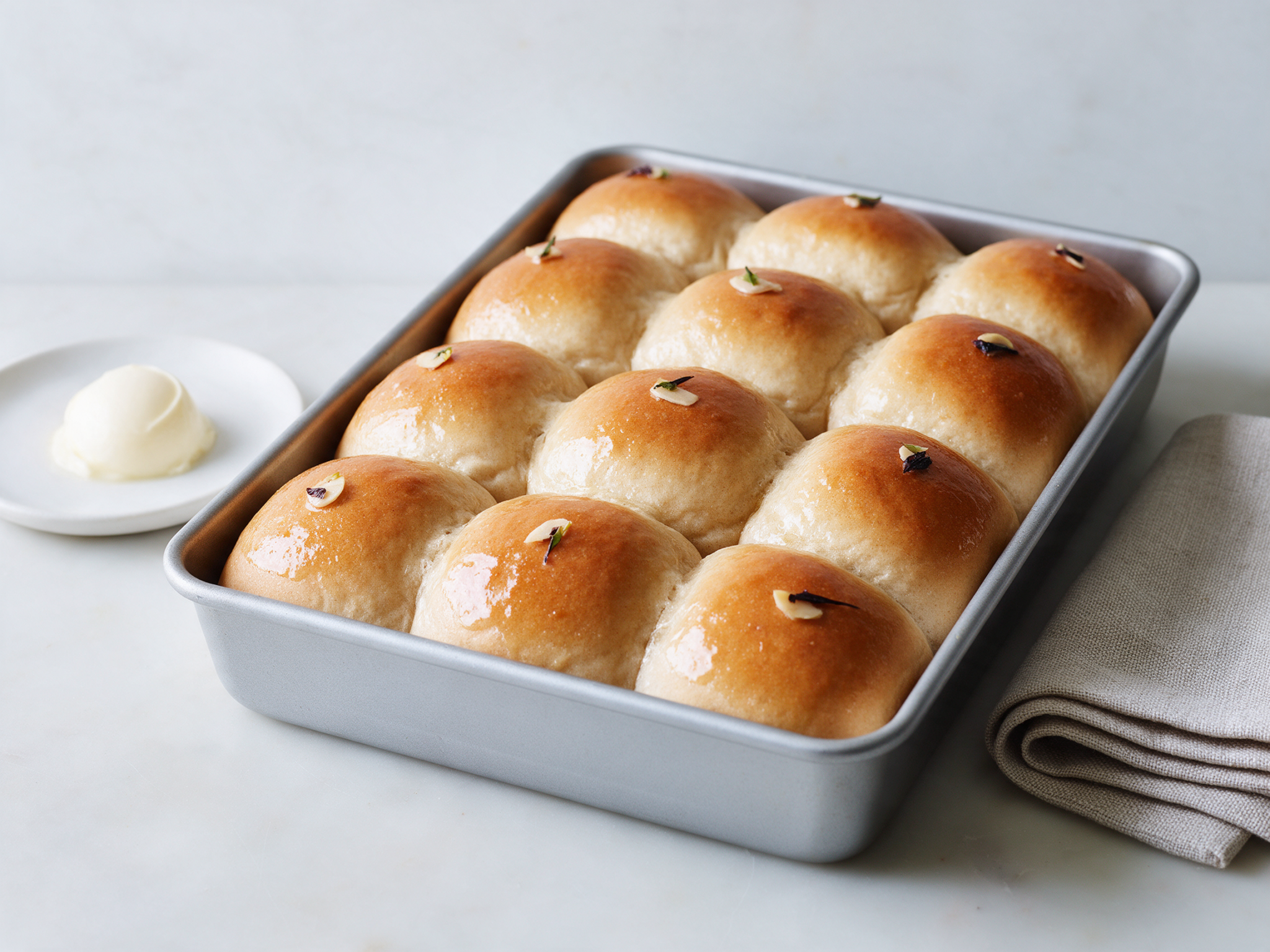
Twelve golden spelt milk buns in a baking pan, glossy with butter, on a linen cloth in window light View Gallery 2 photos

Spelt Japanese milk bread buns are soft, lightly sweet rolls made with tangzhong, a cooked paste of flour and milk. The paste holds moisture in the dough. The crumb stays tender and pulls apart in thin layers.

Spelt adds a gentle nutty flavour and a slightly closer crumb than wheat. The dough is more delicate, so it needs a shorter knead and a watched second rise. Overproofed spelt buns collapse in the oven and bake flat, so judge the dough by touch, not by the clock.

You can make the tangzhong a day ahead. You can also shape the buns and chill them overnight. The steps stay clear, and the schedule stays flexible.
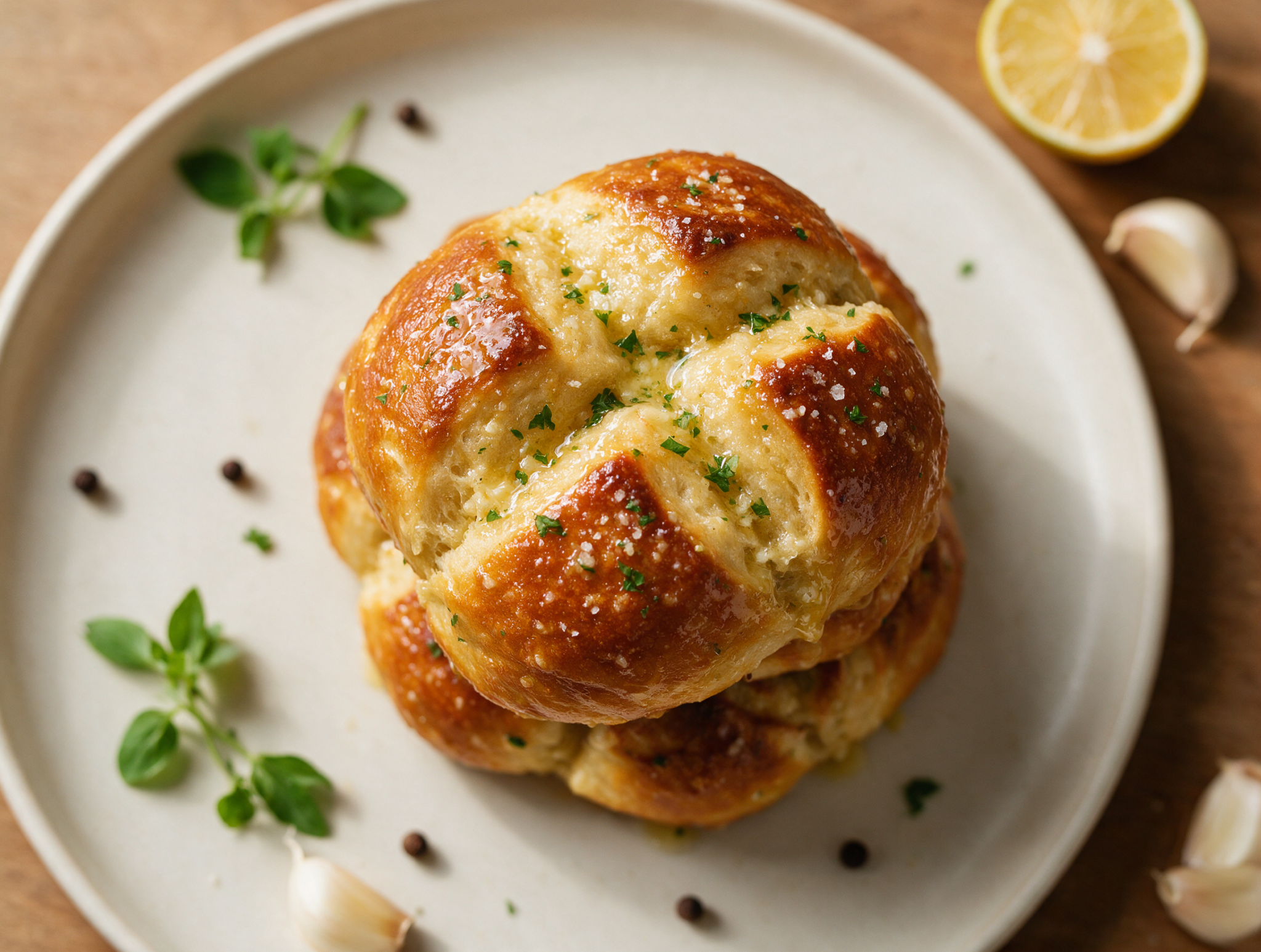
Why You’ll Love This Recipe

  • Tangzhong keeps the crumb soft for two to three days
  • Spelt adds a gentle nutty flavour without heaviness
  • Tangzhong and shaped buns can wait overnight in the fridge
  • One pan, twelve even buns, and a short knead
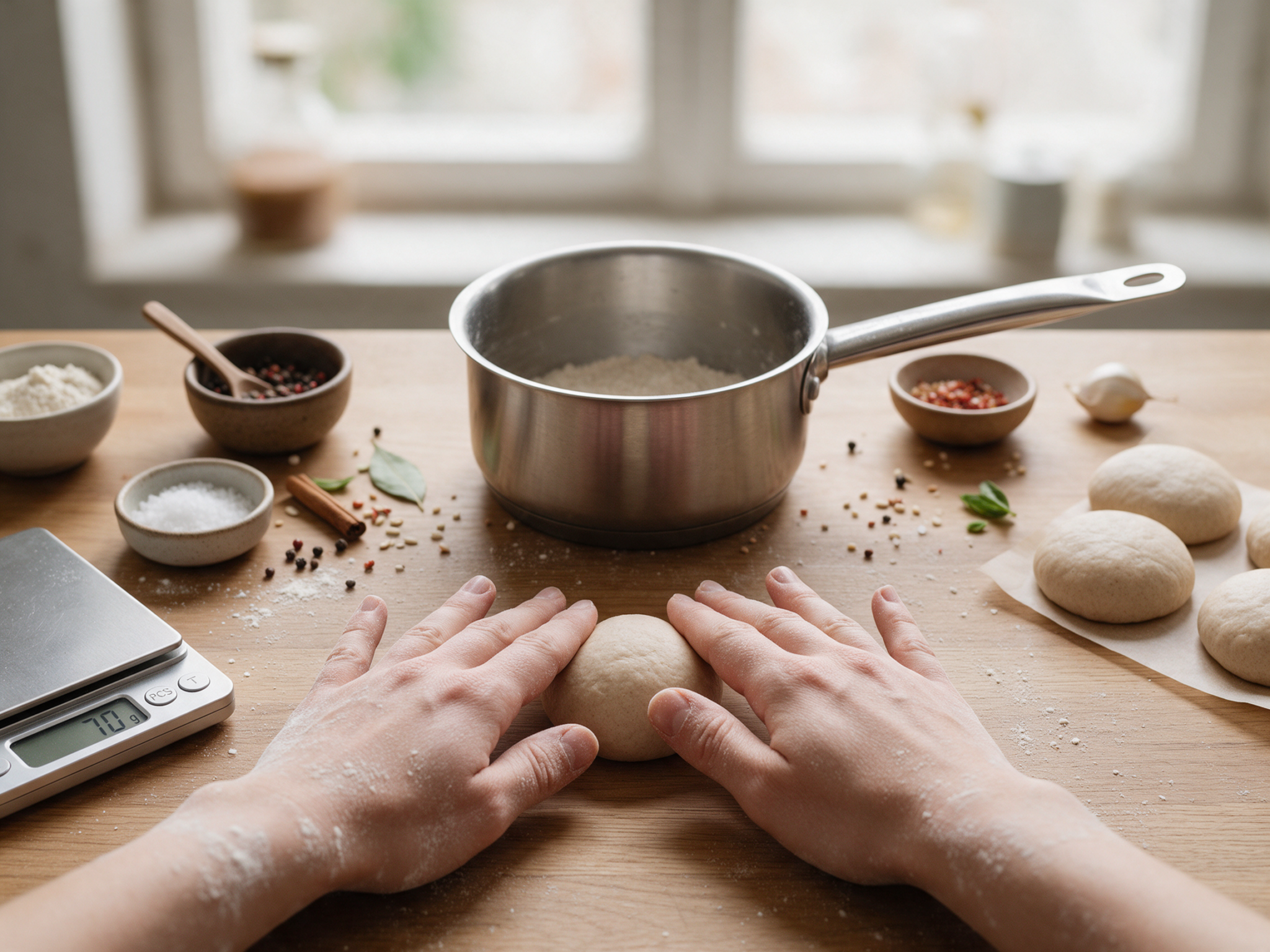
Floury hands rolling a smooth ball of spelt dough on a bare wooden counter beside a kitchen scale

Ingredient Notes

  • White spelt flour: Use light (white) spelt, not wholemeal, for the softest crumb. If you only have wholemeal, swap half and add 2 to 3 tbsp extra milk.
  • Whole milk: Whole milk gives the richest, softest result. Unsweetened oat milk works as a dairy-free swap, though the crumb is slightly less rich.
  • Instant yeast: If you only have active dry yeast, use 9 g and stir it into the lukewarm milk for 5 minutes before mixing.
  • Unsalted butter: Soften it to the point where a finger leaves a clean dent, but it should not look oily. Plant butter works as a direct swap.
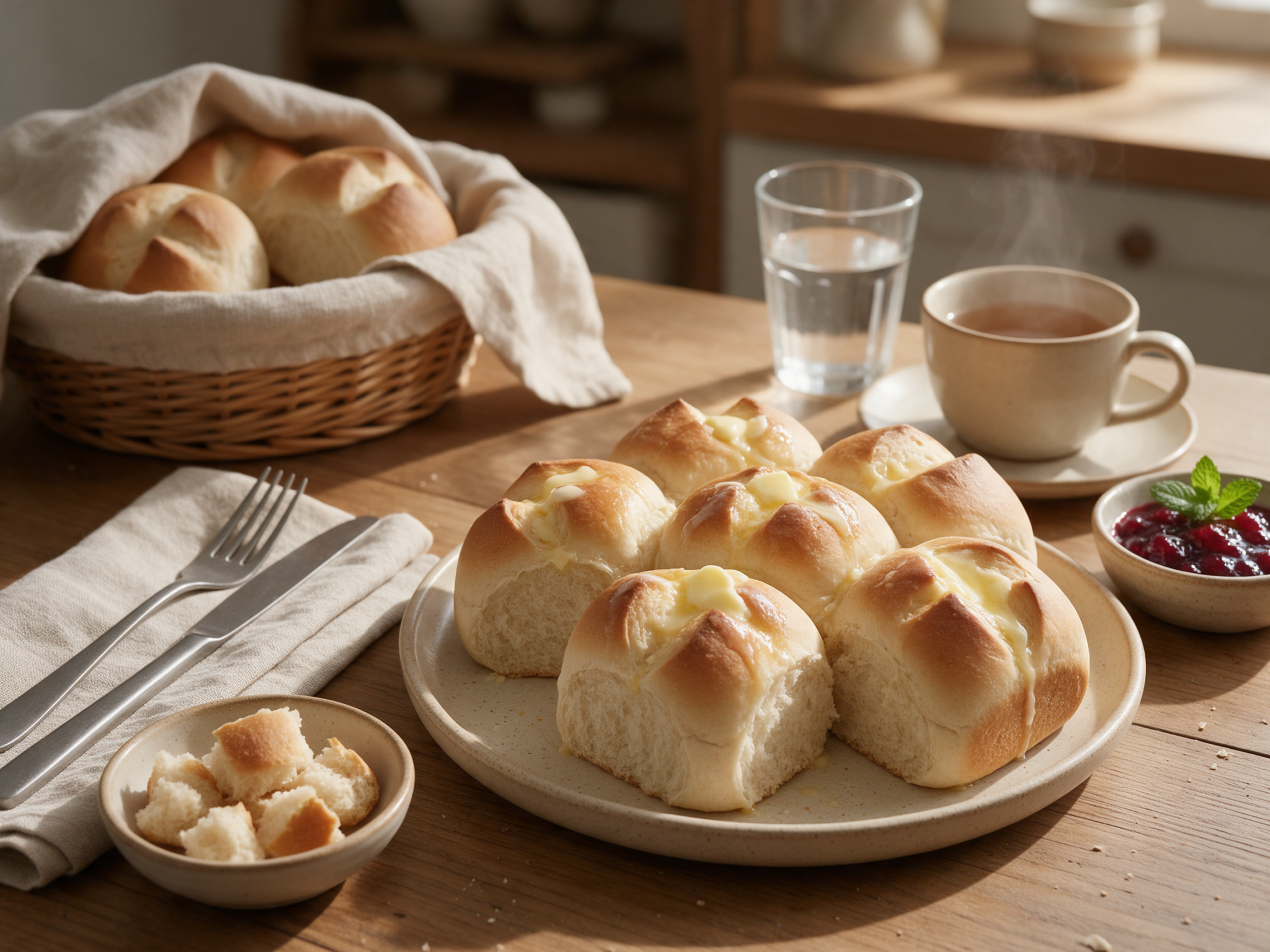
A split warm bun with melting butter on a plate, next to a cup of tea and a small bowl of jam

Difficulty: Medium Prep Time 30 mins Cook Time 27 mins Rest Time 120 mins Total Time 2 hrs 57 mins
Cooking Temp: 180  C Servings: 12 Estimated Cost: £ 0.35 Calories: 211

Description

A cooked flour paste and white spelt flour give these baked buns a tender, pull-apart crumb and a light nutty flavour. Twelve buns of about 70 g each bake together in one pan.

Ingredients

Cooking Mode Disabled

Tangzhong

Dough

To finish

Instructions

Make the tangzhong

  1. Whisk 25 g spelt flour and 125 ml milk in a 1.4 L / 1.5-quart saucepan until smooth. Cook over medium-low heat for 3 to 5 minutes, whisking constantly, until it thickens to a pudding that leaves lines behind the whisk. Scrape into a bowl, press plastic wrap onto the surface, and cool for 10 minutes until lukewarm.

Mix and rise the dough

  1. In the bowl of a stand mixer, whisk 425 g flour, the sugar, yeast, and salt. Add the lukewarm milk, egg, and cooled tangzhong. Mix with the dough hook on low speed for 3 minutes, until no dry flour remains.
  2. Add the 50 g softened butter in 2 or 3 pieces. Knead on low-medium speed for 10 minutes, until the dough is smooth, soft, and slightly tacky. It should stretch into a thin sheet before tearing. Do not add extra flour.
  3. Shape the dough into a ball and place it in a lightly buttered 3 L / 3-quart bowl. Cover and let it rise at about 24 C / 75 F for 60 minutes, until nearly doubled.

Shape and bake

  1. Butter a 23 x 33 cm / 9 x 13 inch baking pan and line it with parchment. Turn the dough onto an unfloured counter and divide it into 12 pieces of about 70 g each. Roll each piece into a tight ball by cupping your hand over it and moving in small circles. Set the balls in the pan in a 3 x 4 grid.
  2. Cover the pan and let the buns rise for 40 minutes, until puffy and touching. Press a floured fingertip into one bun. The dent should spring back slowly. If it stays and the bun sags, it is overproofed, so bake immediately. Heat the oven to 180 C / 355 F during the last 15 minutes of the rise.
  3. Brush the buns with 2 tbsp milk. Bake in the center of the oven for 22 minutes, until deep golden and the center of a bun reads 93 C / 200 F. If the tops darken before the 15-minute mark, tent the pan with foil.
  4. Brush the hot buns with the melted butter. Cool in the pan for 10 minutes, then lift them out using the parchment. Serve warm.

Nutrition Facts

Servings 12


Amount Per Serving
Calories 211kcal
% Daily Value *
Total Fat 6g10%
Saturated Fat 3g15%
Cholesterol 27mg9%
Sodium 208mg9%
Potassium 180mg6%
Total Carbohydrate 32g11%
Dietary Fiber 2g8%
Sugars 5g
Protein 7g15%

Vitamin A 180 IU
Calcium 30 mg
Iron 1.2 mg
Vitamin D 10 IU
Vitamin E 0.4 mg
Vitamin K 1 mcg
Thiamin 0.1 mg
Riboflavin 0.1 mg
Niacin 1.5 mg
Vitamin B6 0.05 mg
Folate 13 mcg
Vitamin B12 0.2 mcg
Phosphorus 104 mg
Magnesium 20 mg
Zinc 0.6 mg

* Percent Daily Values are based on a 2,000 calorie diet. Your daily value may be higher or lower depending on your calorie needs.

Note

Additional Notes

  • Weigh the flour in grams. Spelt packs unevenly by cup and changes the dough hydration.
  • Use lukewarm milk at about 35 C / 95 F so the yeast wakes gently.
  • Keep the dough tacky. It firms up during the first rise.
  • Bake until the center of a bun reads 93 C / 200 F.
  • Cool the pan for 10 minutes before lifting the buns out so the crumb sets.
Keywords: spelt milk bread, japanese milk bread buns, tangzhong buns, spelt dinner rolls, soft spelt buns

Equipment

  • 4.7 L / 5-quart stand mixer with dough hook
  • 1.4 L / 1.5-quart saucepan
  • 23 x 33 cm / 9 x 13 inch baking pan
  • 3 L / 3-quart mixing bowl
  • digital kitchen scale
  • instant-read thermometer

Tips

  • Weigh each dough piece on a scale so all 12 buns are about 70 g and bake at the same pace.
  • Stop kneading once the dough is smooth and stretches thin. Spelt gluten tears sooner than wheat, and extra kneading turns the dough slack.
  • Keep the dough slightly tacky and resist adding flour. Extra flour on the counter or in the bowl makes the baked crumb dry.
  • Tent the pan with foil if the tops darken before the 15-minute mark. The milk and sugar brown quickly.
  • Check doneness with an instant-read thermometer. The center of a bun should read 93 C / 200 F.

Variations

  • Swap half the white spelt flour for wholemeal spelt and add 2 tbsp extra milk for a nuttier, slightly denser bun.
  • Brush the shaped buns with milk and scatter 1 tbsp sesame seeds on top before baking for a toasted crust.
  • Divide the dough into 8 pieces of about 105 g for sandwich buns and bake for 24 to 26 minutes.

Storage and Reheating

Spelt Japanese milk bread buns stay soft for 2 to 3 days in an airtight container at room temperature. The fridge dries out the crumb, so keep them on the counter.

Freeze cooled buns in a freezer bag for up to 3 months. To reheat, wrap them in foil and warm at 160 C / 320 F for 8 minutes if thawed, or 12 minutes from frozen. The crust stays tender and the crumb softens again.

To prepare ahead, keep the tangzhong in the fridge for up to 3 days and bring it to room temperature before mixing. Or shape the buns, cover the pan, and chill for 8 to 12 hours. Let the pan sit at room temperature for 30 to 45 minutes until the buns look puffy, then brush with milk and bake as written.

Serving Suggestions

Serve the buns warm, about 10 minutes out of the oven. Pull them apart and spread with butter or a thin layer of jam. The crumb stays soft and the flavour stays clean.

Split cooled buns for sandwiches. Egg salad, sliced roast chicken with mustard, or hummus with roasted vegetables all suit the lightly sweet crumb.

The buns also work beside a bowl of soup or a simple stew. Use them to mop the bowl, and make a double batch if you are feeding a table.

Frequently Asked Questions

Expand All:

Why did my spelt milk bread buns collapse in the oven?

Spelt buns usually collapse because the second rise ran too long. Spelt gluten is weaker than wheat gluten and can't hold gas for as long. Stop proofing at 40 minutes, when the buns are puffy and a floured fingertip leaves a dent that springs back slowly. If the dent stays, bake right away.

Can I use wholemeal spelt flour instead of white spelt in milk bread buns?

Yes, you can swap up to half the white spelt flour for wholemeal spelt without other changes. For a full swap, add 2 to 3 tablespoons of extra milk, because wholemeal absorbs more liquid. The buns bake up nuttier and denser, and the crumb stays tender thanks to the tangzhong.

How long do spelt Japanese milk bread buns stay soft, and can I freeze them?

The buns stay soft for 2 to 3 days in an airtight container at room temperature. Freeze baked, cooled buns in a freezer bag for up to 3 months. Reheat them wrapped in foil at 160 C / 320 F for 8 minutes if thawed, or 12 minutes from frozen.

What does tangzhong do that a regular bun dough doesn't?

Tangzhong is a paste of 1 part flour to 5 parts milk, cooked until thick. The cooked starch holds more water, so the dough bakes softer and stays fresh longer than a standard enriched bun dough. Here, 25 g of the 450 g total flour goes into the paste.

Is spelt Japanese milk bread gluten free, and how do I make it dairy free?

No. Spelt is a wheat species and contains gluten, so it isn't suitable for coeliac disease. For a dairy-free version, use unsweetened oat milk in the tangzhong and the dough, and swap the butter for plant butter. The buns stay soft, though the flavour is slightly less rich.

Which fillings work best in spelt milk bread buns for sandwiches?

Egg salad, roast chicken with mustard, and hummus with roasted vegetables all work. The bun is lightly sweet, so choose savoury, moist fillings. Split the buns only after they have cooled fully, and use a modest spoonful so the soft crumb doesn't tear.

Min
Share it on your social network