Spelt Turmeric Flatbreads: Soft, Golden and Pan-Fried

Servings: 8 Total Time: 55 mins Difficulty: Easy
Soft yogurt-based spelt flatbreads with a warm turmeric colour
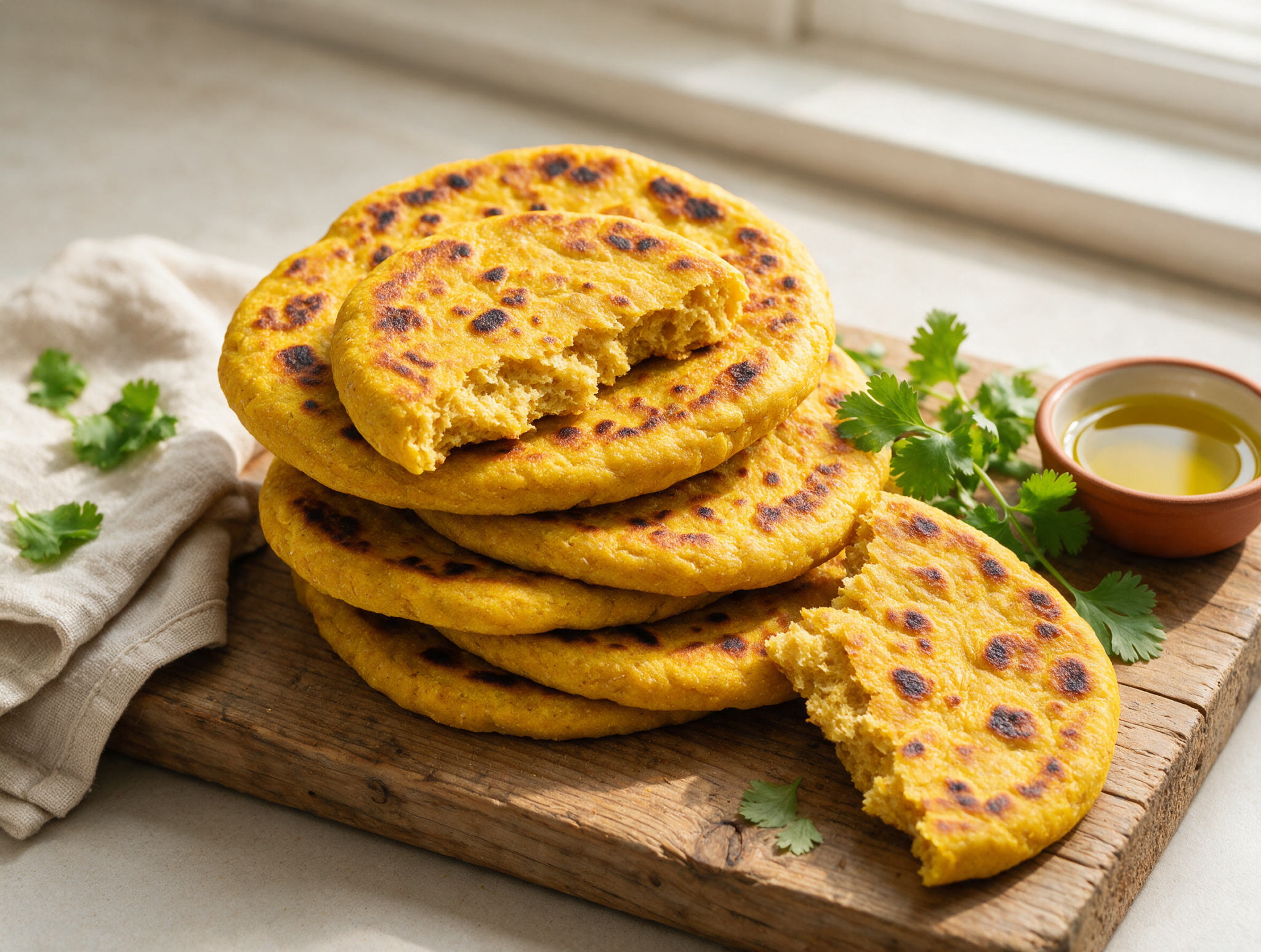
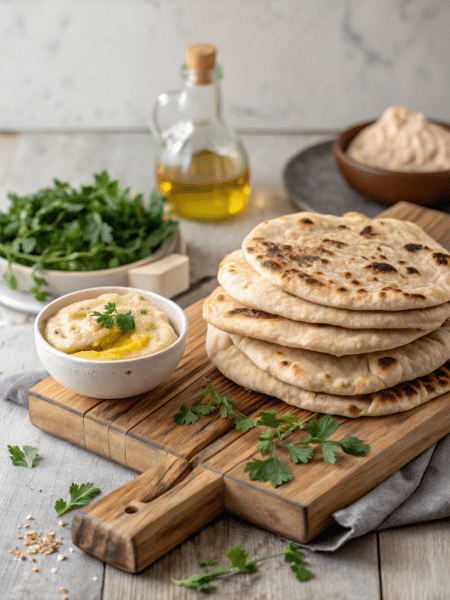
Stack of golden turmeric spelt flatbreads with charred spots, torn open on a wooden board with olive oil drizzle. View Gallery 2 photos

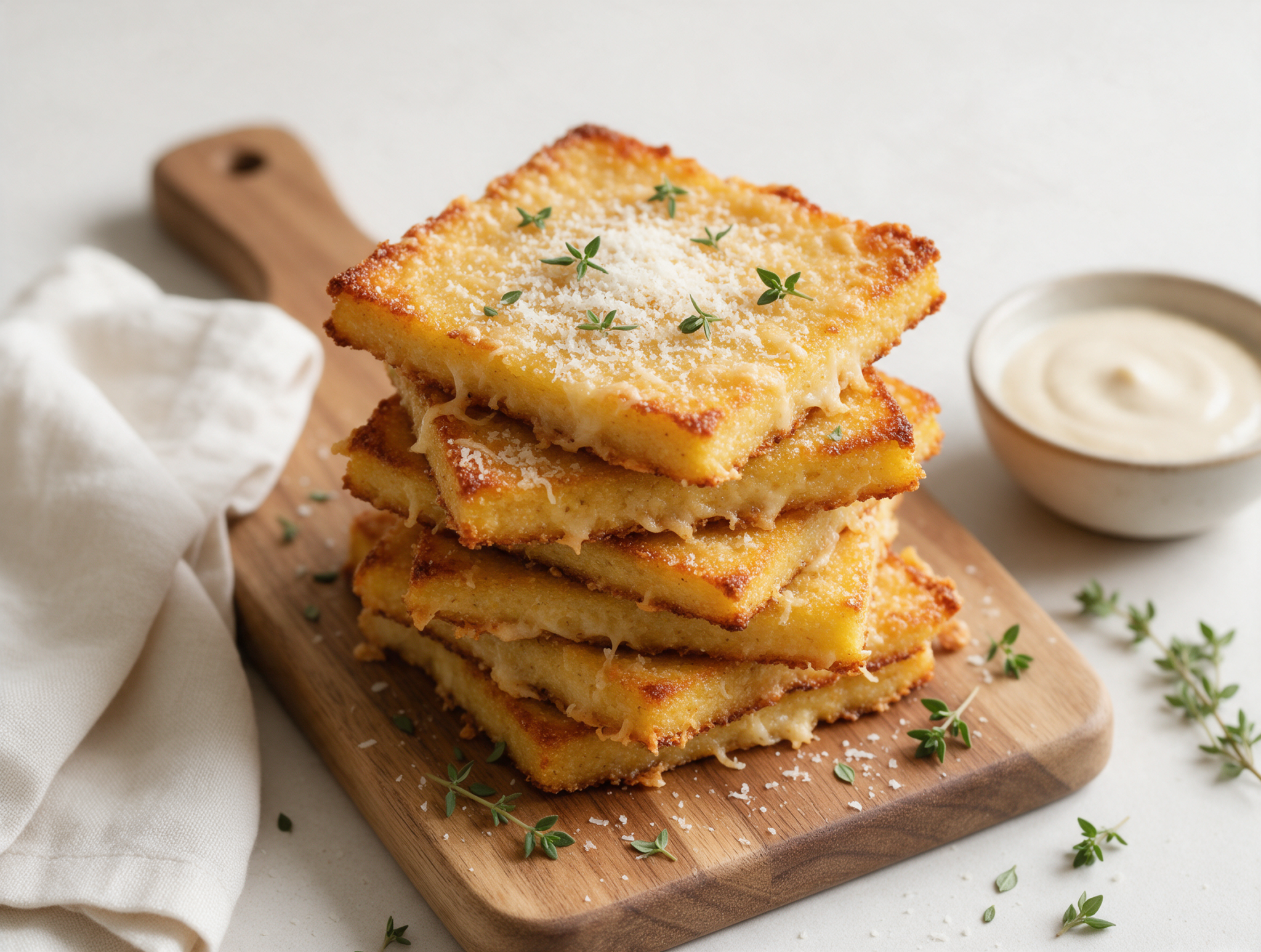
Spelt golden turmeric flatbreads are soft, golden-coloured flatbreads made from a spelt and yogurt dough, cooked in a hot skillet until lightly charred. The turmeric gives them their colour and a mild, earthy taste. There’s no yeast and no rising time.

The dough stays soft because of the yogurt and olive oil worked through the spelt flour. You knead it briefly, let it rest, then roll and pan-fry each piece in under two minutes.

This makes the flatbreads a practical choice for a weeknight curry or a packed lunch wrap. You can mix the dough ahead and keep it in the fridge until you’re ready to cook.
The steps stay simple enough for a first attempt at flatbread, with no special equipment beyond a skillet and a rolling pin.

Why You’ll Love This Recipe

  • Ready in under an hour with no yeast or rising time
  • Soft, pliable texture that stays easy to fold or wrap
  • Simple pantry ingredients, mostly flour, yogurt, and turmeric
  • Dough can be made ahead and kept in the fridge
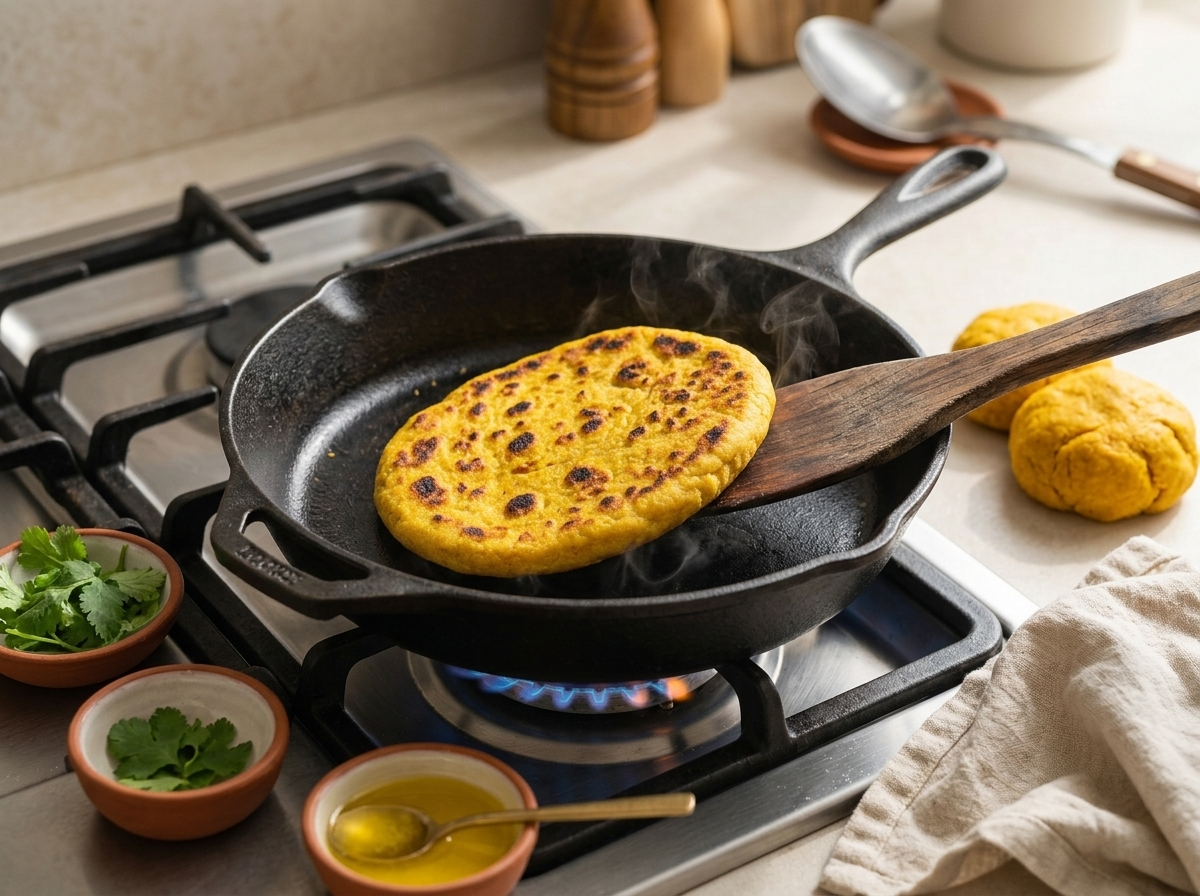
Raw turmeric-yellow spelt dough round puffing with bubbles in a hot cast-iron skillet on the stovetop.

Ingredient Notes

  • Spelt flour: Light or white spelt gives the softest, most pliable dough. Whole spelt works too but makes a denser, nuttier flatbread.
  • Ground turmeric: Gives the flatbreads their colour and a mild earthiness. Use a fresh jar since old turmeric fades in both colour and flavour.
  • Plain yogurt: Full-fat yogurt keeps the dough soft and tender. A dairy-free yogurt works as a swap without changing the method.
  • Olive oil: Adds richness and helps the dough stay pliable when rolled. Melted butter can replace it if you want a richer taste.
  • Baking powder: Gives a light lift without any yeast or waiting time. Check the date on the tin, as old baking powder weakens the puff.

Hands tearing a warm turmeric spelt flatbread beside a bowl of yogurt dip on a linen-covered table.

Spelt Turmeric Flatbreads: Soft, Golden and Pan-Fried

Difficulty: Easy Prep Time 15 mins Cook Time 20 mins Rest Time 20 mins Total Time 55 mins
Cooking Temp: 190  C Servings: 8 Estimated Cost: £ 0.30 Calories: 183
Best Season: all_year_round

Description

These golden turmeric spelt flatbreads use a simple yogurt dough that stays soft and pliable, with no yeast or rising time needed.

Ingredients

Cooking Mode Disabled

Flatbread Dough

To Finish

Instructions

Make the Dough

  1. Whisk the spelt flour, turmeric, baking powder, and salt together in a large mixing bowl until evenly coloured.
  2. Add the yogurt and olive oil. Mix with a spoon or your hand until the mixture starts to clump.
  3. Add the warm water a tablespoon at a time, mixing after each addition, until a rough dough forms and no dry flour remains.
  4. Turn the dough onto a lightly floured surface and knead for 4 to 5 minutes until smooth and slightly tacky, not sticky.
  5. Cover the dough with a damp towel and rest for 20 minutes at room temperature.

Shape and Cook

  1. Divide the dough into 8 equal pieces, about 55 g each, and roll into balls.
  2. On a floured surface, roll each ball into a round about 18 cm / 7 inches across and 3 mm thick.
  3. Heat the 26 cm / 10-inch skillet over medium-high heat for 2 to 3 minutes, until hot.
  4. Cook one flatbread at a time for 60 to 90 seconds per side, until puffed with golden-brown charred spots.
  5. Stack the cooked flatbreads under a clean towel to keep them soft while you finish rolling and cooking the rest.
  6. Brush warm flatbreads lightly with melted butter or olive oil, if using, and serve.

Nutrition Facts

Servings 8


Amount Per Serving
Calories 183kcal
% Daily Value *
Total Fat 6g10%
Saturated Fat 2g10%
Cholesterol 6mg2%
Sodium 270mg12%
Potassium 120mg4%
Total Carbohydrate 30g10%
Dietary Fiber 2g8%
Sugars 1g
Protein 5g10%

Vitamin A 80 IU
Calcium 60 mg
Iron 1.5 mg
Vitamin D 5 IU
Vitamin E 0.5 mg
Vitamin K 1 mcg
Thiamin 0.15 mg
Riboflavin 0.1 mg
Niacin 1 mg
Vitamin B6 0.05 mg
Folate 15 mcg
Vitamin B12 0.1 mcg
Phosphorus 90 mg
Magnesium 20 mg
Zinc 0.6 mg

* Percent Daily Values are based on a 2,000 calorie diet. Your daily value may be higher or lower depending on your calorie needs.

Note

Additional Notes

  • Rest dough covered for 20 minutes; skipping this makes rolling harder.
  • Keep the skillet dry, the oil in the dough is usually enough.
  • Cook one flatbread at a time so each gets even heat.
  • Turmeric can stain surfaces and hands, wipe spills right away.
Keywords: spelt flatbread, turmeric flatbread, spelt recipe, pan-fried flatbread, yogurt flatbread

Equipment

  • mixing bowl
  • whisk
  • 26 cm / 10-inch cast-iron or nonstick skillet
  • rolling pin
  • clean kitchen towel

Tips

  • Preheat the skillet for a full 2 to 3 minutes before adding the first flatbread.
  • Roll each portion to an even 3 mm thickness so it cooks through without drying out.
  • Cover cooked flatbreads with a clean towel to keep them soft while you finish the batch.
  • Rest the dough for the full 20 minutes so it rolls out without springing back.
  • Brush warm flatbreads with a little melted butter right off the pan for extra softness.

Variations

  • Add 1 tsp cumin seeds or nigella seeds to the dough for a savoury, aromatic edge.
  • Swap plain yogurt for coconut yogurt and use melted coconut oil to make the dough dairy-free.
  • Stir in 1 tbsp chopped fresh coriander or chives for a herby, flecked version.

Storage and Reheating

Keep leftover flatbreads in an airtight container or wrapped in foil at room temperature for one day, or in the fridge for 3 to 4 days.

To reheat, warm each flatbread in a dry skillet for 30 to 60 seconds per side, or microwave it wrapped in a damp paper towel for 20 seconds. Both methods bring back the softness without drying the edges.

To freeze, stack the cooled flatbreads with parchment between each one, seal in a freezer bag, and freeze for up to 2 months. Thaw at room temperature, then reheat in a dry skillet.

Serving Suggestions

Serve these flatbreads alongside a curry, dal, or lentil soup to scoop up sauce. Their mild spice sits well next to bolder, well-seasoned dishes.

They also work as a wrap for grilled vegetables, roast chicken, or a simple salad. Warm them just before filling so they fold without cracking.

For a light lunch, tear one and dip it into yogurt mixed with lemon and a pinch of salt.

Frequently Asked Questions

Expand All:

Why won't my spelt turmeric flatbreads puff up in the pan?

Flatbreads usually don't puff because the skillet isn't hot enough before the dough goes in. Preheat the pan over medium-high heat for a full 2 to 3 minutes so it's hot enough to create steam fast. Rolling the dough too thin or too thick also flattens the puff, so aim for about 3 mm.

Can I use whole spelt flour instead of white spelt in this flatbread dough?

Yes, whole spelt flour works, though the dough turns denser and slightly nuttier. Add an extra tablespoon or two of water since whole spelt absorbs more liquid than white spelt. Let the dough rest the full 20 minutes so it stays soft, not tough, once cooked.

Can I make the turmeric flatbread dough ahead and refrigerate it?

Yes, the dough keeps well in the fridge for up to 24 hours, wrapped tightly in plastic. Let it sit at room temperature for 15 minutes before rolling so it's easier to shape. This makes the flatbreads a good make-ahead side for a curry night or packed lunch.

What goes well with golden turmeric spelt flatbreads?

These flatbreads pair well with curries, lentil soups, or a simple yogurt and cucumber dip. They also work as a wrap for grilled vegetables or roast chicken. Because the dough is mild and only lightly spiced, it sits alongside bold, spiced dishes without competing with the flavour.

Are spelt turmeric flatbreads gluten-free?

No, spelt flour contains gluten, so this recipe isn't suitable for a gluten-free diet. Spelt is an ancient wheat variety, and people with celiac disease or wheat allergies should avoid it. For a gluten-free version, swap in a gluten-free flatbread blend, though the texture and rolling method will change.

What's the difference between these turmeric flatbreads and naan?

Naan usually needs yeast, milk, and a very hot oven or tandoor to get its char and lift. This flatbread skips the yeast, using baking powder and yogurt instead, and cooks in a skillet on the stovetop. The result is softer and quicker, with a milder rise than traditional naan.

Min
Share it on your social network